





Water: the forgotten production factor in poultry farming
Water seems obvious, but it is one of the most important nutrients for poultry. Chickens drink on average twice as much as they eat. A laying hen can consume 200 to 300 ml of water per day, a broiler chicken even 400 ml, depending on age, ambient temperature and feed intake. Good water quality and sufficient availability are therefore crucial for the health and performance of the animals. Poor water quality or insufficient drinking facilities can lead to reduced growth, lower laying rates and health problems.
The chemistry behind every drop
When assessing drinking water, the first thing to look at is its chemical composition. This determines its palatability, technical suitability and the effect it has on additives supplied via the water. Important parameters include pH, hardness, and iron and manganese content. Water from your own source may exhibit abnormalities that can cause problems.
- Excessive iron or manganese causes precipitation and deposits in pipes and nipples, resulting in blockages and leaks.
- High hardness (high calcium content) can cause limescale deposits, reducing flow and making acids less effective.
- A pH that is too low or too high not only affects absorption by the animal, but also the effectiveness of medicines or supplements in the drinking water.
Regular chemical analysis helps to detect abnormalities at an early stage and make adjustments.
Microbiological risks in the drinking water system
In addition to chemical aspects, microbiological quality also plays a major role. Drinking water can contain bacteria, yeasts or moulds that indicate contamination or biofilm formation in the pipes. Pathogenic bacteria such as E. coli or Salmonella can infect the herd via the drinking water.
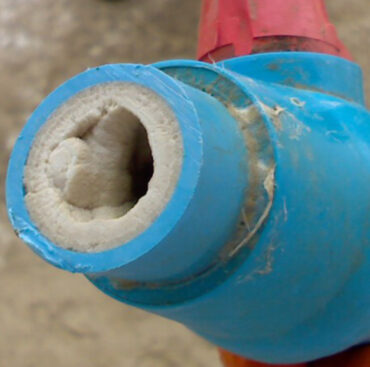
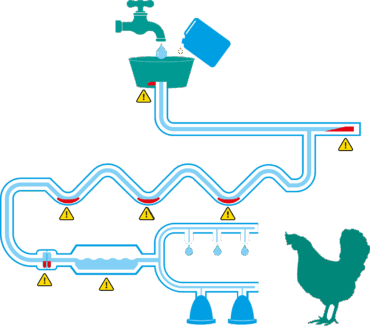
Biofilm is a slime layer on the inside of pipes in which micro-organisms settle, often in combination with mineral deposits. This layer is a constant source of recontamination and reduces the effectiveness of water medication or disinfectants.
The development of biofilm is promoted by:
- Stagnant water (low flow rate)
- Warm temperatures
- Dead corners in pipes
- Residues of medicines or additives
Water availability
Even the best water quality is of little value if it is not readily available to the chickens. Poultry must be able to drink water at any time of the day. The number of drinking nipples, their height, flow rate and pressure must be tailored to the animal category, age and housing.
| Poultry type | Recommended nipples | Flow rate per nipple | Average intake per day | Height of nipple |
|---|---|---|---|---|
| day-old chicks | 10-12 chicks per nipple | 20-30 ml/min | 50-100 ml | At eye level, chick must tap straight up |
| Rearing hens | 10 animals per nipple | 40-60 ml/min | 150-250 ml | Gradually increase line with growth, beak just below nipple |
| Laying hens in production | 8-10 hens per nipple | 60-80 ml/min | 200-300 ml | At neck height, animal stretches slightly to drink. |
| Broilers in the finishing phase | 8-10 chicks per nipple | 80-100 ml/min | 400-500 ml | Line at height that chick needs to stretch slightly |
Check the flow regularly with a measuring cup, as even slight blockages can significantly reduce intake. Also ensure that all animals have easy access to drinking lines, especially in high temperatures or immediately after feeding.
Good water leads to better performance
Good water quality is the basis for optimal performance in every poultry house. Clean and palatable drinking water stimulates feed intake and growth in broilers, supports eggshell quality and laying rates in hens, and contributes to healthy gut flora and strong immunity in all animal groups.
Conversely, poor water quality or limited availability can quickly have negative consequences. Animals consume less feed, grow more slowly and produce wet manure more often, which increases the risk of footpad lesions. Vaccines and medicines administered via drinking water are also less effective if the water is contaminated or has the wrong pH.
A simple rule of thumb always applies: when chickens drink less, they also eat less. Problems with water quality or drinking facilities are therefore often first noticed in a decline in feed intake and poorer housing results.
The water check as a management tool
Good water quality does not happen by itself. Only by regularly measuring, flushing and cleaning can you prevent problems instead of having to cure them. It is wise to have both the chemical and microbiological quality of the drinking water checked at least twice a year. Flush the pipes after each round and check the flow rate of the nipples weekly to ensure that the flow remains good. In addition, always tailor the use of acids or disinfectants to the specific water source and piping system so that the agents work effectively without causing damage.
Water is the silent engine behind poultry health and production. Those who actively manage this aspect will more than recoup their investment in maintenance and monitoring through improved performance and a healthier flock.
Want to know more about water?
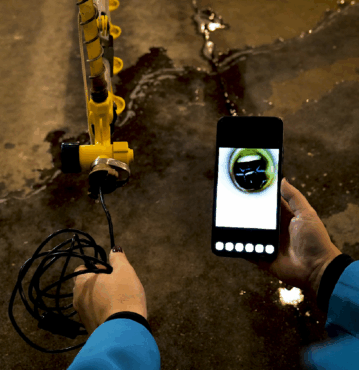
Would you like to know how the water quality at your farm is rated or how you can improve pipe hygiene? Please feel free to contact us. We are happy to help you find practical solutions that suit your barn and water source.